We love our work and the end results will be felt for years to come
We pride ourselves on our adaptability and commitment to excellence in every aspect of our service. Explore what we have to offer and how we can contribute to your success.
30 Dec 2025 15:05
We pride ourselves on our adaptability and commitment to excellence in every aspect of our service. Explore what we have to offer and how we can contribute to your success.
30 Dec 2025 14:33
Boost Your Curb Appeal Instantly, with these 5 tricks.
Welcome to the ROSTAR UNLIMITED LLC blog, where we share our knowledge and passion for construction and old-school craftsmanship. Discover valuable insights, tips, and stories that highlight our commitment to quality and doing things the right way. We're glad you're here to learn more about our time-honored approach.
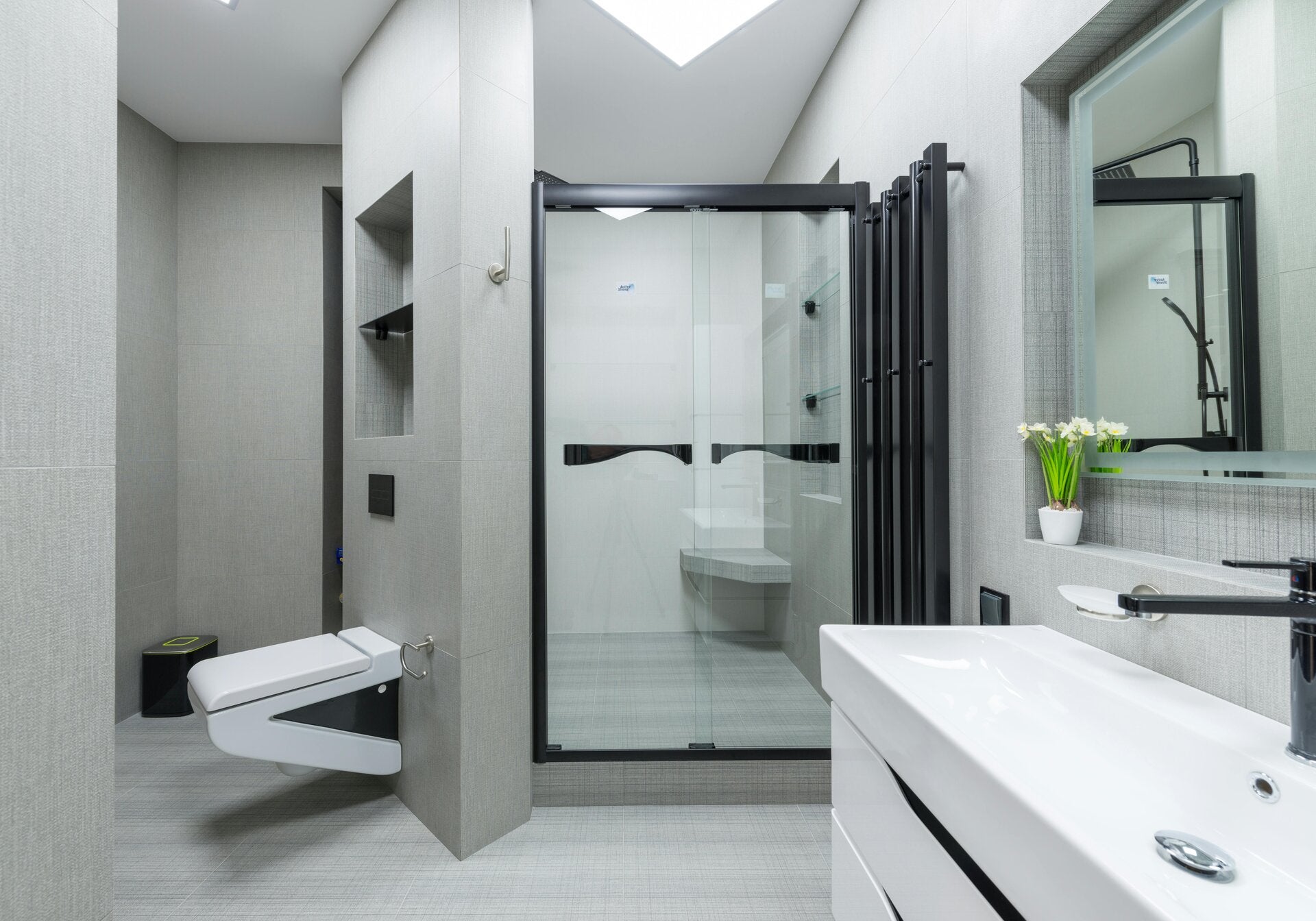
More and more homeowners are choosing to stay in their homes as they age rather than moving to assisted living facilities. This trend, called "aging in place," makes perfect sense - your home is familiar, comfortable, and filled with memories. But staying safe and independent means making some smart updates along the way.
The good news? Most aging-in-place modifications are simpler than you think. With the right safety upgrades, you can transform your space to support independence, prevent accidents, and give both you and your family peace of mind.
Why Aging-in-Place Modifications Matter
Falls are the leading cause of injury for adults over 65, and most of these accidents happen at home. But here's the thing - many falls are completely preventable with the right home modifications. Research shows that simple changes like grab bars, better lighting, and removing trip hazards can dramatically reduce emergency hospital visits.
Beyond safety, these modifications help maintain independence. When your home works with your changing needs instead of against them, everyday tasks stay manageable. You can keep cooking, cleaning, and moving around your space confidently.
Bathroom Safety: Your First Priority
The bathroom is where most home accidents happen, so let's start there.
1. Install Grab Bars Where You Need Them
Grab bars aren't just for people with mobility issues - they're smart safety features for everyone. Place them near toilets, in showers, and next to bathtubs. The key is putting them where you'll actually use them. A grab bar by the toilet helps with sitting and standing, while shower bars provide stability when you're wet and potentially unsteady.
2. Add Non-Slip Surfaces in Wet Areas
Forget bath mats that bunch up and create trip hazards. Instead, apply permanent non-slip strips or decals directly to your shower floor. These stay put and provide reliable traction even when wet.
3. Upgrade to Easy-Use Faucets
Twist faucets become harder to operate as hand strength decreases. Lever-style faucets require much less effort and work better for anyone with arthritis or limited grip strength. While you're at it, consider anti-scald valves to prevent accidental burns.
4. Make Shower Entry Safer
High shower thresholds and bathtub lips become major obstacles over time. Walk-in showers with low or no thresholds eliminate this barrier. If a full remodel isn't in the budget, shower seats and handheld showerheads make bathing much easier and safer.
5. Consider Toilet Height Modifications
Standard toilet height (15 inches) can be too low for many older adults. Raised toilet seats or comfort-height toilets (17-18 inches) make sitting and standing much easier.
Lighting: See and Be Safe
Poor lighting contributes to many home accidents, but it's one of the easiest problems to fix.
6. Brighten High-Traffic Areas
Hallways, staircases, and entryways need abundant overhead lighting. Don't rely on table lamps alone - install ceiling fixtures that eliminate shadows and provide even coverage.
7. Add Motion-Sensor Lights
These are game-changers for nighttime safety. Motion sensors in bathrooms, hallways, and bedrooms automatically light your path without fumbling for switches in the dark.
8. Install Strategic Nightlights
Place nightlights along the path from bedroom to bathroom. Modern LED nightlights are bright enough to navigate safely but won't disrupt sleep.
9. Use High-Contrast Colors
Your eyes need more contrast to distinguish objects as you age. Paint door frames, stairs, and transitions between rooms in contrasting colors. For example, if you have light walls, use darker trim to clearly define doorways and room boundaries.
Creating Clear, Safe Pathways
How you arrange your space affects how safely you can move through it.
10. Rearrange Furniture for Wide Walkways
Create clear paths between rooms and around furniture. Remove or relocate items that stick out into walkways. Aim for at least 36 inches of clear width in main pathways - enough for wheelchairs, walkers, or anyone who needs extra space to move safely.
11. Secure Stairways and Steps
Install handrails on both sides of staircases if possible. Add non-slip tape to stair edges and make sure all steps are well-lit. If stairs become too challenging, a stairlift might be worth considering for frequently used stairs.
12. Eliminate Outdoor Steps with Ramps
Front and back door steps can become major barriers. Gentle ramps provide easier access for everyone, whether they're using mobility aids or just carrying groceries.
13. Widen Doorways
Standard 32-inch doorways can be tight for walkers and wheelchairs. Widening key doorways to 36 inches makes a huge difference in accessibility. Start with the most-used areas like bathrooms and bedrooms.
Flooring and Surface Updates
The right flooring prevents slips and cushions falls when they do happen.
14. Choose Safer Flooring Materials
Replace high-pile carpets that can catch feet and cause trips. Good options include low-pile carpet, smooth hardwood, cushioned vinyl, or cork flooring. These materials provide good traction while being easier to walk on with mobility aids.
Hardware That Works Better
Small changes to handles and hardware can make daily tasks much easier.
15. Upgrade to Easier-Grip Hardware
Replace round door knobs and small cabinet handles with larger, D-shaped handles or lever-style hardware. These require less grip strength and work better for people with arthritis or limited hand mobility.
Smart Technology for Extra Safety
Modern technology can add another layer of safety and convenience. Voice-controlled lights mean no more walking across dark rooms to find switches. Smart thermostats reduce the need to adjust heating and cooling manually. Medical alert systems provide peace of mind for both you and your family.
Kitchen Considerations
Lower frequently-used items to easy-reach shelves. Consider pull-out drawers in base cabinets to eliminate bending and reaching. Good task lighting under cabinets makes food prep safer and easier.
Planning Your Modifications
Start with the highest-impact changes first. Bathroom safety features and better lighting typically provide the biggest safety improvements for the least cost. Then move on to other areas based on your specific needs and budget.
Many of these modifications require professional installation for safety and code compliance. Grab bars, electrical work for lighting, and structural changes like ramp installation should be handled by experienced contractors who understand local building codes.
Making It Happen
Don't feel like you need to do everything at once. Start with one or two modifications that address your biggest safety concerns, then add others over time. Many homeowners find that once they start making these changes, they wonder why they waited so long.
The goal isn't to turn your home into a medical facility - it's to make smart updates that keep your space safe, comfortable, and functional for years to come. With the right modifications, you can age in place confidently while maintaining the independence that makes home truly feel like home.
Whether you're planning ahead or addressing current needs, these 15 safety upgrades can transform your space from a potential hazard into a supportive environment that grows with you. Your future self will thank you for taking action today.

At ROSTAR UNLIMITED LLC, we believe in the power of traditional methods. While modern technology has its place, we've found that certain 'old school' techniques deliver superior results and a level of quality that's hard to match. Here are some examples of how we keep these valuable traditions alive:
These are just a few examples of how our commitment to old-school techniques sets us apart. We believe that the combination of time-tested methods and modern innovations allows us to deliver exceptional results for our clients in Pellston, MI, and beyond.

If you're looking for a construction company that values quality, craftsmanship, and customer satisfaction, look no further than ROSTAR UNLIMITED LLC. Contact us today to discuss your project and discover how our old-school techniques can bring your vision to life.
We serve Indian river MI, and surrounding areas. Let's build something great together!